
Engineering Health for the Common Good
A Symposium on Human Genome Editing and the Convergence of Biology and AI
Centering humanity at the frontiers of biotechnology
For nearly three decades, UW–Madison led the effort to articulate public benefits of human embryonic stem cell research and establish the norms that allowed a frontier biotechnology to be supported with public funds.
Human genome editing now presents a similar challenge. CRISPR research is again crossing public-private boundaries, but this time in a new frontier of technological innovation. The Engineering Health for the Common Good symposium takes up the task of articulating a strong case for public benefit, making it the standard by which research must meet as it advances—on the premise that applying emerging biotechnology to biomedicine demands sustained, sometimes uncomfortable exchange among all who stand to inherit its consequences.
This multidisciplinary event brings together scientists, clinicians, engineers, legal scholars, ethicists, disability community representatives, faith communities, and patient organizations to foster dialogue around the opportunities, risks, and societal implications of emerging gene-editing technologies.
Date
Thursday, October 22, 2026
5-7:30PM
Location
Deluca Forum
Discovery Building
University of Wisconsin – Madison
330 N. Orchard St., Madison, WI
This event is open to the public. Please register if you plan to attend.
The Topic
Biotechnology and digital technology are converging in ways that are reshaping what it means to be human. Artificial intelligence, computational biology, and genome editing are becoming a single platform for intervening in human biology at its most basic level. Recent clinical milestones in somatic genome editing, including interventions in utero and in newborns, demonstrate extraordinary therapeutic promise. But these same milestones intensify commercial pressure to push editing capabilities toward the human germline, under optimization paradigms borrowed from the digital sector— where more capability deployed faster is treated as a self-evident good.
With the conviction that the voices most often absent from elite biotechnology convenings—including patients, disability communities, and the broader public—contain answers to essential questions on technological progress, join the University of Wisconsin – Madison in a sustained dialogue to reflect on what this convergence demands of us.
Guiding Questions
- How should human wellbeing, flourishing, integrity, and dignity guide decisions as we push the limits of genome editing?
- Why do scientists and investors decide how far this goes, and who else should have a say?
- Is the human germline a product to be sold, with a code to be debugged?
Featured Keynote

Precision for Whom? Guardrails for the Future of Public Health
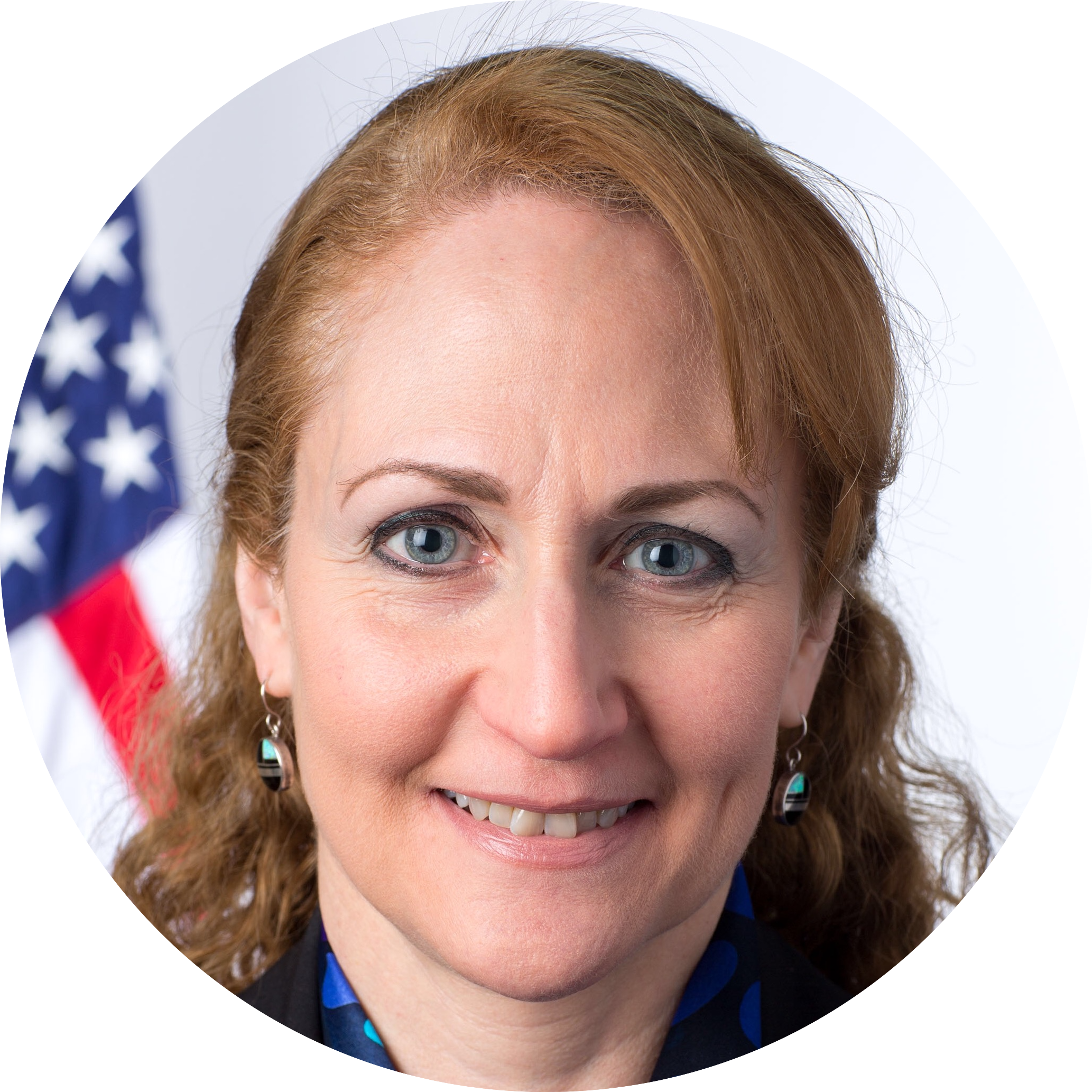
Susan Monarez
Founder, Heartland Global Strategies
Former Director, CDC
Founding Deputy Director, ARPA-H
Panel Discussion to Follow
Beyond the Lab: Shaping the Future of Human Genome Editing


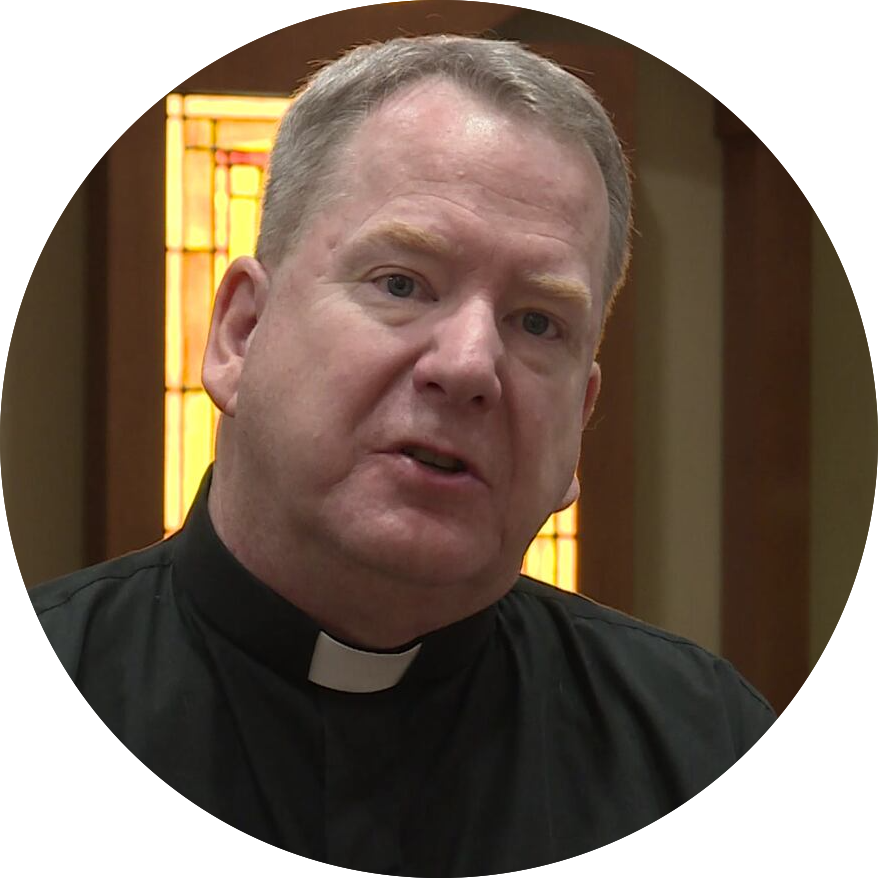


Moderated by: Krishanu Saha
Professor, UW–Madison
Symposium Participants
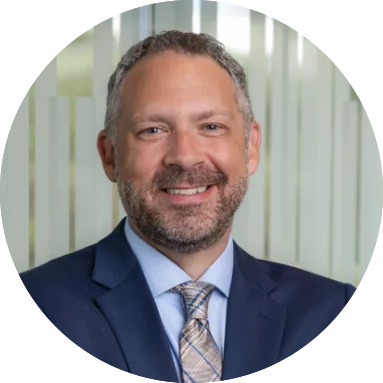









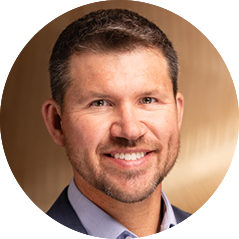






Winston Yan
Senior Director, Center for Therapeutic Genetics, Broad Institute, The Jackson Laboratory, and Boston Children’s Hospital
Event Schedule
5:00 PM
Public Reception with Building Tours (drinks & snacks)
6:00 PM
Keynote & Panel Discussion
Sponsors
University of Wisconsin–Madison
Wisconsin Exchange
Grainger Institute for Engineering
Wisconsin Institute for Discovery
Wisconsin Research Innovation and Scholarly Excellence: Transforming Healthspan through Research, InnoVation, and Education (RISE-THRIVE)